
The Good, the Bad and the Vague - New DGAs are out
Jan 20, 2026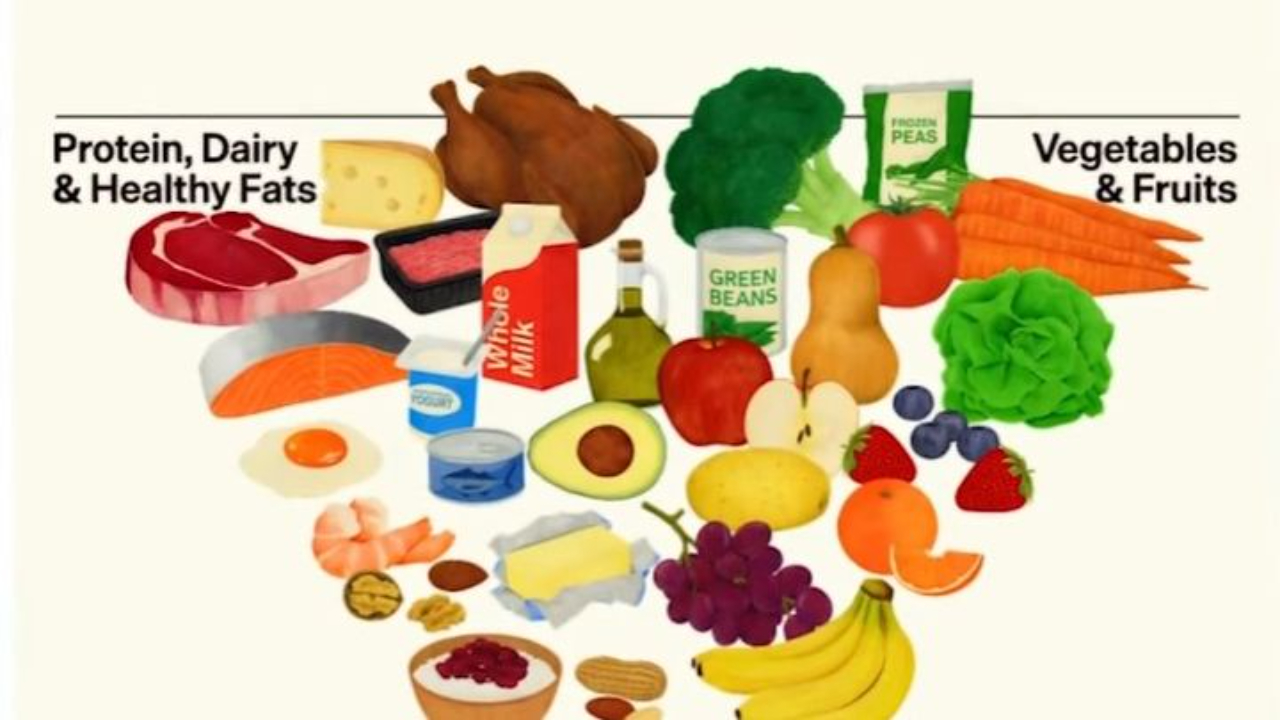
DGA was one of these acronyms known in the Dietitian’s jargon; people outside the world of dietetics would need to think long and hard to figure out what DGA stood for. That was the case until January 7th 2026, when new Dietary Guidelines for Americans were released and many Americans found themselves facing a tsunami of comments about new DGAs and the “up-side-down pyramid”. I think this term - up-side-down pyramid - will stick because it is already in use, and the actual document did not provide a description for the image.
THE VAGUE
The main thing that jumps out (besides the graphic, which I will discuss in a moment), is how short the document is. DGA 2025 - 2030 are 10 pages long, including the cover. For comparison, DGA 2020 - 2025 are/were 164 pages long (including cover and “chapter” pages). While “condensing” it and making it “short and sweet” may sound like a good idea, it is not.
- DGAs are used by dietitians and health experts to teach about healthy eating, with necessary modifications for diseases and dietary preferences. This is where the magic of translating broad recommendations to individual, personalized recommendations happens.
- But DGAs also inform diet-related decisions at the population level and institution level. These guidelines inform what foods are being purchased for child care facilities, schools, SNAP, WIC, many assisted living facilities, senior centers and many other organizations.
- DGAs also inform national policies, food policies, educational programs, health-related outreach initiatives.
Former DGAs were providing guidelines for every life stage in great detail - literally down to how many servings of fish they need per week; how many servings of green vegetables they need to ensure that these individuals across life stages and institutions (children in day care, adolescents in schools, seniors in senior centers) will meet their nutritional needs. This document is meant to serve as a road map for dietitians and food experts who are designing menus or programs or health education for individuals, dozens or hundreds of individuals at the time. It is meant to provide - drum roll… - guidelines, and a solid, scientifically backed reference. Current DGAs provide nothing but general bullets - with as little as one bullet for older adults; mere three bullets for lactating women and just two bullets for individuals with chronic diseases - which is some 75% of the USA population. Without explanations, references to reputable resources, there isn’t really much to work with, and I imagine it will be very difficult for dietitians and other food experts to advocate for changes on the hospital or school menus. And that’s going to impact our children and our grandparents.
THE NOT-NEW
There are many similarities between former DGAs and current ones:
- Focusing on whole foods.
- Eating vegetables and fruits throughout the day.
- Incorporating healthy fats.
- Focusing on whole grains.
- Limiting sodium.
- Limiting saturated fats to no more than 10% of the diet.
THE GOOD (REALLY GOOD)
There are NEW and really good elements in the new DGA that have to be highlighted:
- For the first time the Guidelines are boldly saying “nope” to added sugars. While they have been recommending “reducing” sugar and “limiting” sugar in the past, 2025 - 2030 Guidelines clearly ask to “avoid” them, and explicitly state: “While no amount of added sugars or non-nutritive sweeteners is recommended or considered part of a healthy or nutritious diet, one meal should contain no more than 10 grams of added sugars.” [bold by author]
- 2025 - 2030 Guidelines also ask to “[a]void highly processed packaged, prepared, ready-to-eat, or other foods that are salty or sweet, such as chips, cookies, and candy that have added sugars and sodium (salt)” and “[l]imit foods and beverages that include artificial flavors, petroleum-based dyes, artificial preservatives, and low-calorie non-nutritive sweeteners.”
- For the first time Guidelines recognize the importance of gut health and highlight fermented foods like sauerkraut, kimchi, kefir, miso, and mention fibers in the context of gut health.
THE CONFUSING
But there is a disconnect between what is written inside the document and what’s visually presented on the graphic. In many cases these two just don’t line up; and since a picture is worth a 1000 words, the message from the graphic will get absorbed much quicker. This is one of the biggest concerns for the food experts:
- A steak, a stick of butter and whole milk are prominently featured on the graphic and we know that these are sources of saturated fats that need to be limited to no more than 10% of the diet. This message is irreconcilable - limiting saturated fats while having such an abundance of foods containing saturated fats so prominently featured in the diet.
- Guidelines are asking to prioritize “fiber-rich whole grains” and “[s]ignificantly reduce the consumption of highly processed, refined carbohydrates, such as white bread”, yet there is a big round loaf of white bread on the graphic.
- Many question what these little specks on the bottom are: oats? - maybe, but there seems to be a bowl of oatmeal right next to the bread. Grains of rice? - maybe, but there is rice in the bowl with beans. Are these golden Pops? We know we are dealing with a poor graphic if dietitians with years or decades of experience cannot figure out what the heck that food is.
- And why is there an… entire turkey?...
- Why is the turkey (chicken?) fully baked, but a piece of a steak, piece of salmon and ground meat are raw?
These are not small questions:
- Are we talking about foods as concepts? - whole turkey, box of milk, a stick of butter - none of which is going to be eaten at one sitting?
- Are we talking about foods as ingredients of a meal? - raw steak, a bag of frozen vegetables, canned green beans - all of them require some kind of preparation (baking, defrosting, cooking/reheating)?
- Are we talking about servings / portions of foods ? - ready to eat bowl of rice with beans, ready to eat bowl of oatmeal, ready to eat, already open container of yogurt with a spoon in it?
The lack of consistency will make it difficult for dietitians and food experts to work with, and it will be confusing for the American public.
THE BAD:
Alcohol recommendations, or… lack thereof. Prior to this release the alcohol recommendation was no more than 1 alcoholic drink per day for women, and no more than 2 alcoholic drinks per day for men, with an “alcoholic drink” being also clearly defined. In 2025 the US Surgeon General released an Advisory linking alcohol consumption to increased risk of at least seven types of cancer, and yet in January of 2026 - crickets… just “drink less alcohol”. If a person drinks 9 alcoholic drinks over a weekend (2 bloody Mary’s with a weekend brunch and then 2-3 beers with buddies while grilling or watching a game) and they reduce it to 7, they are still drinking excessively, but they are - technically - drinking less. Having this guideline of 1 or 2 drinks per day was providing a specific reference; it was easy to have a calm, objective conversation about how far off we are compared to the guideline / goal. And it needs to be said, when it comes to alcohol, the less is better.
Side note, while researching information for this blog I learned that UK guidelines not only specifically define “a unit” of alcohol and limit the number of units per week, they also recommend 2 alcohol-free days/week. This idea that we shouldn’t drink every day is strongly highlighted in UK dietary guidelines.
In the light of the loneliness epidemic, mental health issues, post-COVID trauma, social media bullying and many other challenges that we face in this country, the conversation about alcohol should be louder, and more specific; more compassionate as well, and with an array of health-supporting and social-connection alternatives. Referring to alcohol as a “social lubricant” in today' s volatile environment is - in my opinion - uncompassionate and tone-deaf at best, and dangerous at worst.
THE MISSING:
With that, what’s missing is one of the most important aspects of food beyond calories and nutrients: the social component of food. Cooking together, eating together; sharing the meal, breaking the bread literally and figuratively. There is data that shows that how we eat (not only what we eat) has an impact on our health, but there is no mention of that. What’s also missing is — warning: I am going there — diversity in the Dietary Guidelines: America is as diverse as it gets, and the 2026 Dietary Guidelines for Americans do not reflect, in any way, the diverse ways we eat. And last but certainly not least - focus on affordability and access is missing too. The best designed Dietary Guidelines are going to be useless if there is no way to access what’s recommended: whole foods, vegetables, fruits, healthy fats, whole grains… And there are many people in this country who want to eat well, but struggle with access to healthy foods. Ask any Community Dietitian. Having that focus in a document as essential as DGAs could inform policies and outreach necessary to provide easier access to healthy foods for every American.
