
The Economics of Satiety: How One Industry Profits When We're Hungry — and Another Profits When We're Full
Jun 19, 2026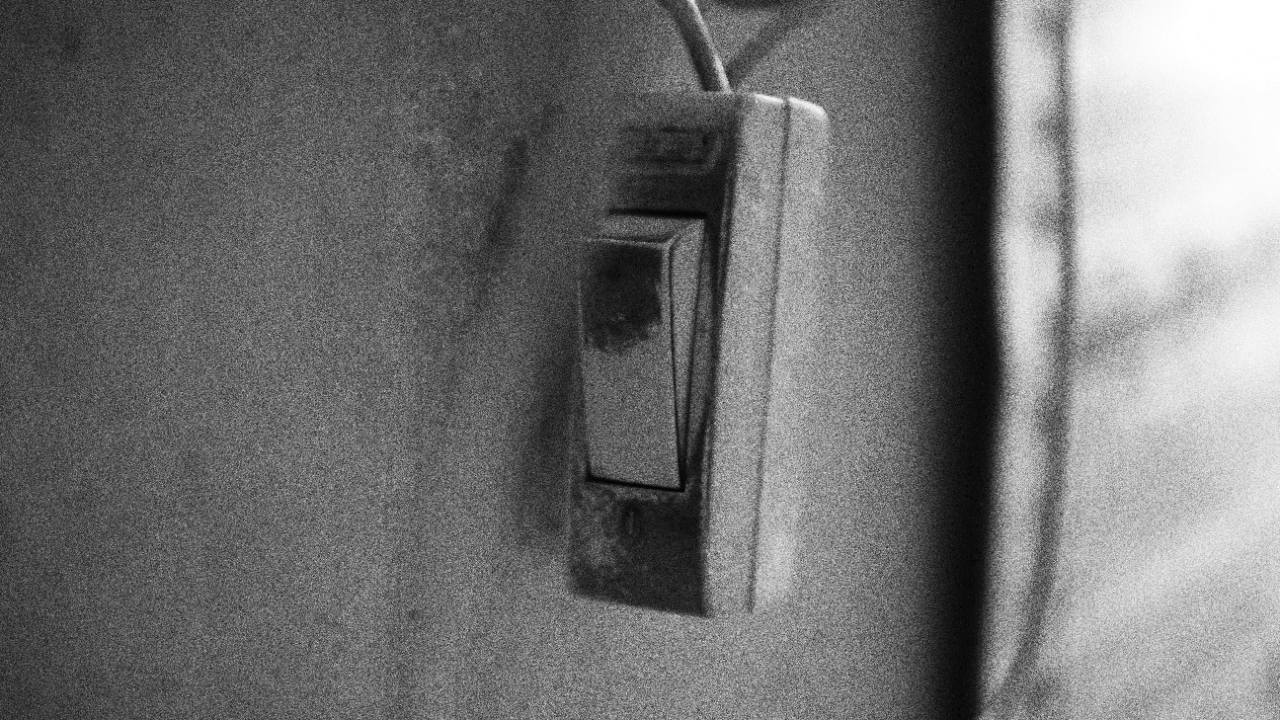
Photo by Yash Kumar on Unsplash
It is really hard to be truly an "off the clock" dietitian. I am passionate about food and nutrition related issues, and there is not a day without something being a "hot topic" in the world of nutrition. This is how I find myself reading a book about constipation while in the bus, or reading an article about impact of stress on the diet on Sunday.
Current hot topic? - GLP-1 s of course, and so a book by Johann Hari titled "Magic Pill: The Extraordinary Benefits and Disturbing Risks of the New Weight-Loss Drugs" quickly climbed on the top of my to-read list.
It is amazing to read a well-researched book by someone who is not a part of the health care / medical world, because he has the ability to connect the dots in a different way. And this is what Hari did for me in the early chapter of his book.
"Satiety," - he writes - "or the feeling of no longer wanting more, is not a word we use much in everyday life, but I kept hearing it in two contexts. The first was the science of factory-assembled food --- because this food, it turns out, is designed to undermine satiety. The second was in the science of the new weight-loss drugs --- because they are designed to boost satiety. I only slowly began to trace the connections between them."
And so did I.
I spent countless hours talking about reducing processed foods and eating less.
I spent dozens of hours talking about eating more while on GLP-1s for weight loss to prevent nutrient deficiencies and muscle loss.
But these are not two different conversations. These are two sides of the same conversation. If instead of food or medicine we make satiety the focus of conversation, we see that these are two sides of the same coin:
- ultra processed foods are designed to decrease our satiety to make us eat as much as possible (and spend as much as possible)
- weight loss GLP-1s are designed to increase our satiety to make us eat less (and lose weight, and still spend a lot)
It is a battle over whether we manage to keep the "Satiety" switch "off" or "on", for how long, and at what cost. And how wobbly it was to begin with.
This is why we see such demand for weight loss GLP-1s.
This is why we see such a rapid redesign of snack market to make them (seemingly) "GLP-1 friendly" - by adding more protein to otherwise still ultra processed foods.
This is why pharmaceutical companies race to release more accessible weight loss GLP-1 options (like a pill).
This is why food companies and stores frantically redesign promotional campaigns and launch GLP-1 friendly snack options (yet another oxymoron in the world of food: like a "sugar-free cookie" or a "zero-calorie energy drink")
Switch on.
Switch off.
Switch on.
Switch off.
Hari proceeds to discuss eating real foods, and with that, he shines light on a whole host of different issues; but this this idea that weight loss GLP-1s are a pharmacological-design answer to a food-design problem was a big "click" for me.
In terms of "form" GLP-1s for weight loss are truly a revolution.
But in terms of "ideas" it is still the same old conversation: conversation about unhealthy, "factory-assembled" foods, and their impact on human health. Except now we have a "lab-assembled" counterpart/counterargument.
The experiment continues.
