
When skinny becomes sick, healthy needs to become an act of rebellion
May 22, 2026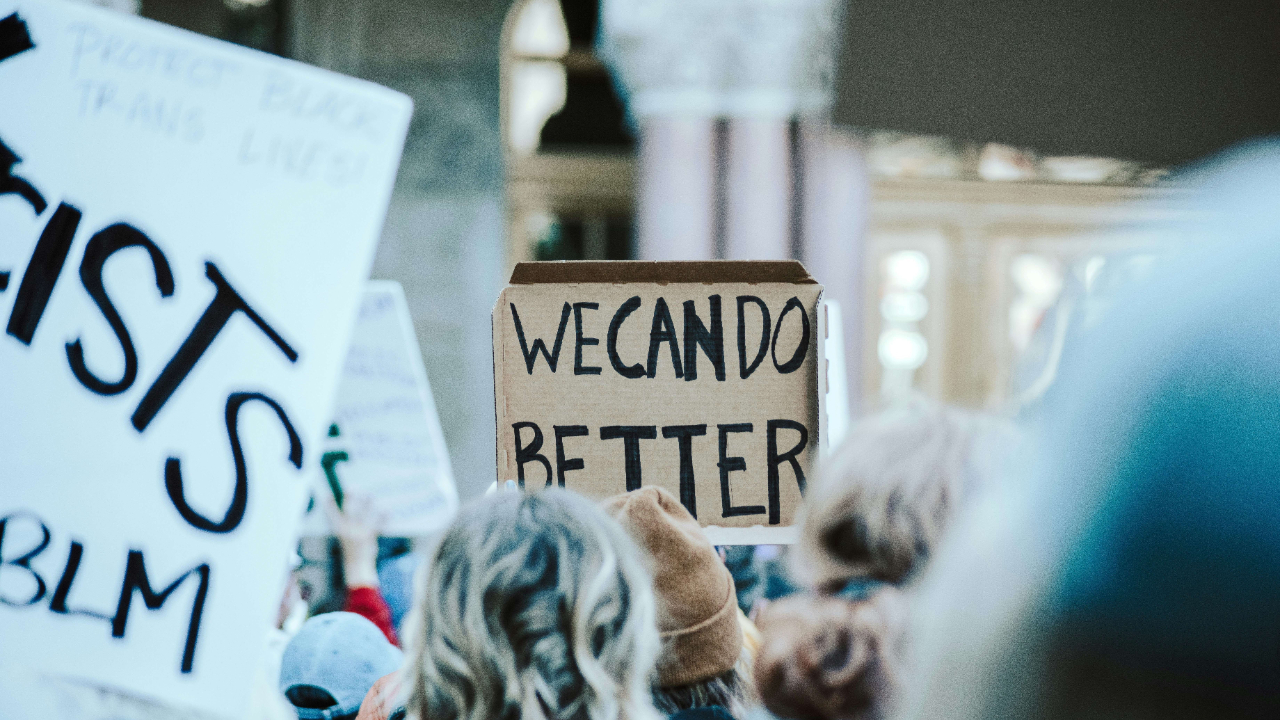
Photo by Sandra Seitamaa on Unsplash
From the beginnings of time elites of the society (royals, aristocracy, and later celebrities) were pursuing things that were inaccessible to common, every-day folks.
When regular people were starving and struggling to put anything into a pot over fire, it was en vogue to be overweight or obese – excessive roundness of the bellies indicated access to excess of food and with that – status.
When commons were farming outside, and got whipped by the sun on the daily basis, the aristocracy was casually strolling thru the parks covering their hands with gloves and their faces with lacey-umbrellas to stay chalk-pale and untouched by sunrays.
When corporate workers in the second half of 20th century were stuck in cubicles under fluorescent lightbulbs it was chic to show a bit of effortless sun tan. The real sun tan was of course most desired – showing ability to afford time off and lavish vacation (time and money, baby!) when everybody else was stuck working their butts off from dawn to dusk. In a pinch, a tanning salon could work, but the idea, again, was to have what was not easily accessible for masses.
The same was happening with weight and body image: generations of women were dieting in an attempt to pursue skinny look: advertised for many; promoted by selected few gracing covers of the magazines.
But let’s not fool ourselves: models, actresses, fitness celebrities (remember TV aerobic shows?) were merely faces and bodies selling and promoting this “inspirational carrot”. They were there to sell a dream and drive sales of everything from diet shakes to fitness books and leg warmers.
Buy this diet program and maybe you will end up being as skinny as so and so.
Buy these leg warmers and maybe you will end up being as trendy as so and so.
Billions of dollars were spent; countless pounds were lost – at least temporarily, and God only knows how many women were permanently damaged in the process.
Body positivity movement came around in the 21st century, and “big and beautiful” was celebrated. The raise of boldly obese celebrities who were proud of their look joined hands with HAES (Healthy At Every Size) dietitians, who also gained some traction and visibility in the process. Voices raising alarm over normalization of obesity – which still may come with very real health risks, no matter how we talk about it – were shushed away.
As the lines blurred and – for a very short moment – we seemed to celebrate skinny, curvaceous and obese, I thought that maybe we had a chance to break away from the chains of 'super-skinny', and give women who are not built to be a size 2 some breathing space.
I also thought that maybe, just maybe, on the other side of the spectrum, we would be able to heal conversations about obesity – and talk about it as a serious medical issue needing attention, without shaming and belittling women in the process.
And – oh, wouldn’t that be amazing? – maybe we would witness the pendulum stopping somewhere between super skinny and morbidly obese, to make room for just healthy: honoring women’s bodies with all the nuances, and with respect for changes that they naturally go during a life-span - including weight changes.
We had a real opportunity to reclaim some level of sanity, when it came to weight and body image, and instead we entered an uncharted territory of not talking about it at all. Under the disguise of “giving women freedom to just be” and “not criticizing any women’s body” and allowing women “to express who they want to be”, we were (and we still are) expected to keep our mouths shut, be quiet, not comment, even if our fellow-women were doing something that was unhealthy and absolutely damaging to their health and bodies.
How did we, women, ended up buying it as a good thing for us?
What kind of sick, twisted logic made us see that as a “supportive” thing?
And then GLP-1s spilled all over the developed world. We entered true Wild West of medicine, and suddenly what was achievable only for celebrities and influencers – namely skinny look - became available for masses as well. With time these meds got cheaper, and skinny jabs became easier to access.
I am not sure what the next “inspirational carrot” is going to be, but the “skinny” offered to us today has raised its’ ugliest head yet. What we see in Hollywood and among celebrities today, is so skinny that it makes “heroin chic” from 90s look almost-healthy.
What we see today is so sick, so emaciated, that it is hard to overlook clinical markers for a full blown malnutrition diagnosis, and – most likely – an eating disorder hiding in the shadows.
It is as if skinny from the 90s lashed out with a furious desire for a revenge, after seeing that bit of a progress that was made towards body-inclusivity.
And thanks goodness many women out there are not buying it.
Maybe the “skinny agenda” finally went too far.
From YouTube to IG, women are breaking the chains of silence and start pointing that this trend is “scary”, “unhealthy” and “disturbing”. Many try to walk that line between pointing specific celebrities without criticizing them directly, but the message is getting louder.
It is still difficult and delicate, but we should talk.
Actually, we should scream bloody murder, when our fellow women end up hurting themselves to meet absurd and obscene entertainment expectations.
We should rally against young girls internalizing disturbingly skinny looks after looking up to their role models.
Maybe somebody will push back and say it isn’t my business, but the reality is that – if nothing changes – in 15 years these young girls of today will end up in my office with a diagnosis of eating disorder. So sorry – but it is my business.
Maybe we should make it clear that we finally are able to recognize entertainment’s funny mirrors, and we are ready to punch and break some glass.
Maybe when we collectively reject it, they will stop pushing it down our throats.
And here is one more thing: bigger, deeper, and much more important than looks, Hollywood, fame and celebrities: we, women are living in very strange times.
Our rights are challenged and we may need to organize, protest, rally and unite again and again and again, in order to demand changes to better ourselves.
These fights will take a lot of stamina and a lot of energy.
And at the very least we need to be healthy enough and strong enough to be able to hold up a piece of cardboard with a protest slogan on it.
